

Many organizations continue to rely on legacy ERP and CRM systems because they appear stable, familiar, and already paid for. On the surface, delaying an upgrade may feel like a financially responsible decision. However, beneath this short-term comfort lies a growing list of hidden costs that silently impact productivity, customer experience, security, and long-term growth.
In today’s fast-moving digital economy, outdated systems don’t just slow businesses down—they actively hold them back.
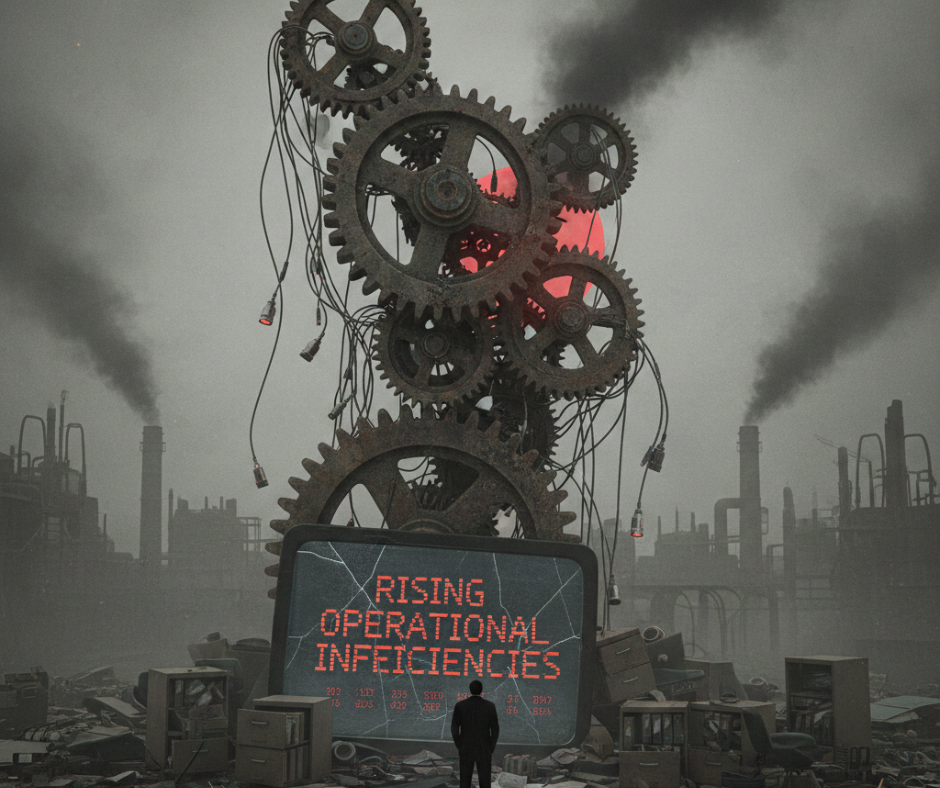
1. Rising Operational Inefficiencies
Legacy ERP and CRM systems are often rigid and heavily dependent on manual processes. Employees spend valuable time on repetitive tasks such as:
- Manual data entry
- Cross-checking information across disconnected systems
- Correcting errors caused by outdated workflows
These inefficiencies compound over time, increasing labor costs and reducing operational agility.’
2. Limited Real-Time Data and Poor Visibility
Modern decision-making relies on real-time insights. Legacy systems typically provide:
- Static or delayed reports
- Limited analytics capabilities
- Data silos across departments
Without accurate, real-time data, leadership teams are forced to make decisions based on assumptions rather than facts—leading to missed opportunities and costly missteps.
3. Escalating IT Maintenance and Support Costs
Older ERP and CRM platforms are expensive to maintain. Organizations often face:
- High costs for specialized or retired skill sets
- Frequent system downtime
- Dependency on outdated infrastructure
- Limited vendor support or end-of-life software
Over time, maintenance expenses can surpass the cost of migrating to a modern, cloud-based solution.
4. Security Vulnerabilities and Compliance Risks
Legacy systems were not built to handle today’s cybersecurity threats. Common weaknesses include:
- Outdated encryption standards
- Lack of real-time threat detection
- Irregular security patches
This exposes organizations to data breaches, compliance violations, financial penalties, and reputational damage.
5. Poor Customer Experience and Engagement
Customer expectations have evolved. Modern customers demand fast, personalized, and seamless interactions across channels. Legacy CRM systems struggle to support:
- Omnichannel communication
- Automated follow-ups
- Personalization at scale
As a result, businesses risk losing customers to competitors with more modern engagement capabilities.
6. Limited Scalability and Business Growth Barriers
Legacy ERP and CRM systems are often difficult to scale. Expanding operations may require:
- Costly customizations
- Complex integrations
- Lengthy implementation timelines
This lack of flexibility restricts growth and limits the organization’s ability to adapt to market changes.
7. Missed Automation and AI Opportunities
Modern ERP and CRM platforms leverage AI and automation to:
- Predict customer behavior
- Optimize workflows
- Reduce manual errors
- Improve forecasting accuracy
Legacy systems lack these capabilities, forcing businesses to operate reactively rather than proactively.
8. Integration Challenges with Modern Tools
Today’s business ecosystems depend on seamless integration with:
- E-commerce platforms
- Marketing automation tools
- Payment gateways
- Analytics and BI systems
Legacy systems struggle to integrate effectively, resulting in fragmented workflows and duplicated effort.
9. Employee Frustration and Talent Retention Issues
Outdated software frustrates modern employees accustomed to intuitive, user-friendly tools. This can lead to:
- Reduced productivity
- Higher training costs
- Increased employee turnover
Replacing skilled employees is significantly more expensive than upgrading outdated systems.
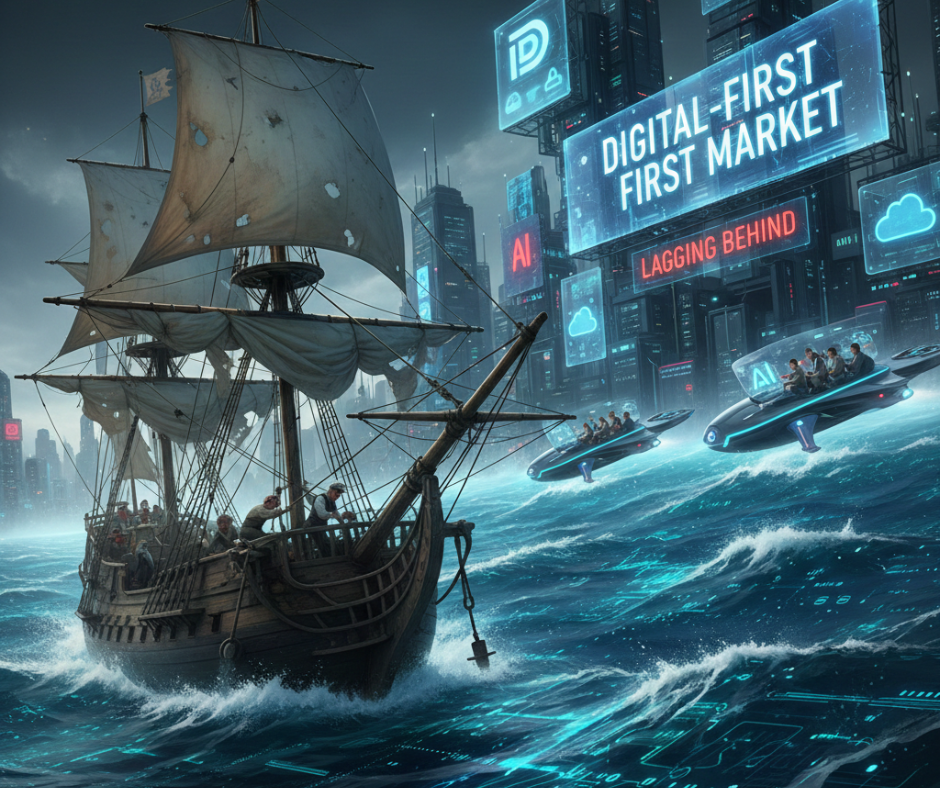
10. Competitive Disadvantage in a Digital-First Market
Organizations that continue using legacy ERP and CRM systems fall behind competitors who benefit from:
- Faster decision-making
- Smarter automation
- Better customer insights
- Lower operational costs
In highly competitive markets, this disadvantage can directly impact market share and profitability.
The Long-Term Value of Modern ERP and CRM Systems
Upgrading to modern, cloud-based ERP and CRM platforms offers:
- Real-time analytics and insights
- Enhanced security and compliance
- Scalable and flexible architecture
- AI-powered automation
- Lower total cost of ownership over time
Modern systems are built to evolve with the business—not restrict it.
Conclusion
The real cost of maintaining legacy ERP and CRM systems is rarely visible upfront. It appears gradually—through inefficiencies, security risks, lost revenue, and declining customer satisfaction. What may seem like a cost-saving decision today often becomes a major obstacle to growth tomorrow.
In a digital-first world, upgrading ERP and CRM systems is not an IT upgrade—it’s a strategic investment in future success.

Leave a Reply