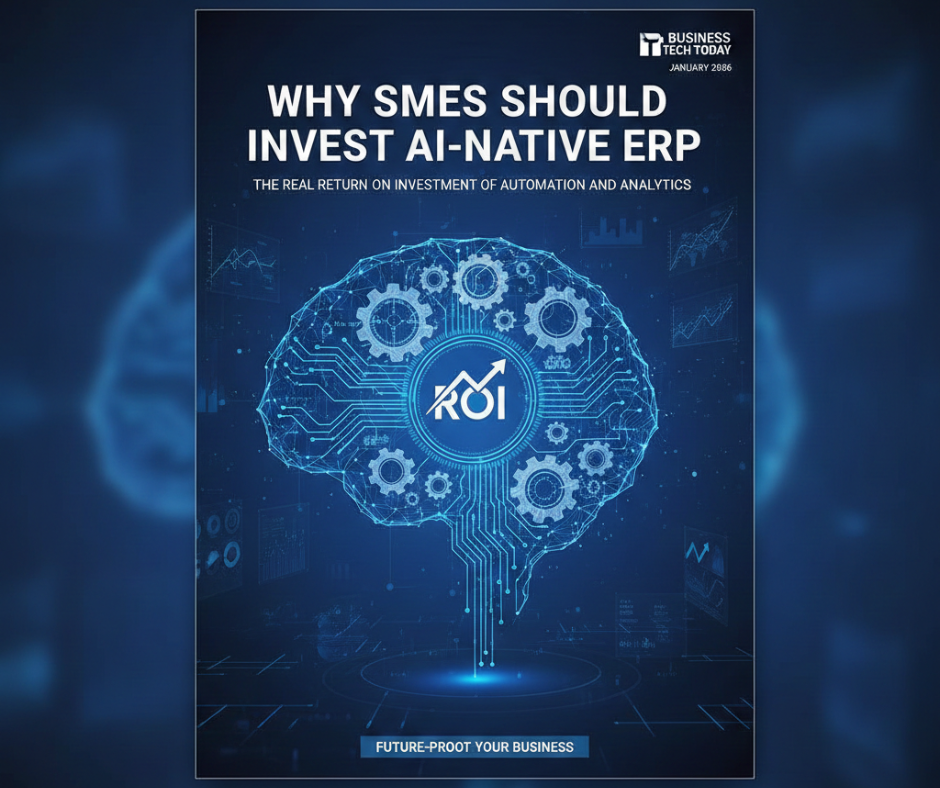

Small and medium-sized enterprises (SMEs) operate in an environment where margins are tight, competition is fierce, and efficiency is critical. For years, advanced ERP systems were seen as tools only large enterprises could afford. That has changed.
Today, AI-native ERP systems are helping SMEs automate operations, gain real-time insights, and achieve measurable returns on investment—without enterprise-level complexity or cost. This blog explores why investing in AI-native ERP makes sense for SMEs and how automation and analytics deliver real, tangible ROI.
What Is an AI-Native ERP System?
An AI-native ERP is built with artificial intelligence at its core—not added later. These systems use:
- Machine learning for forecasting and recommendations
- Intelligent automation for workflows
- Real-time analytics for decision-making
- Predictive insights across finance, inventory, sales, and operations
Unlike traditional ERP systems, AI-native platforms continuously learn and improve over time.
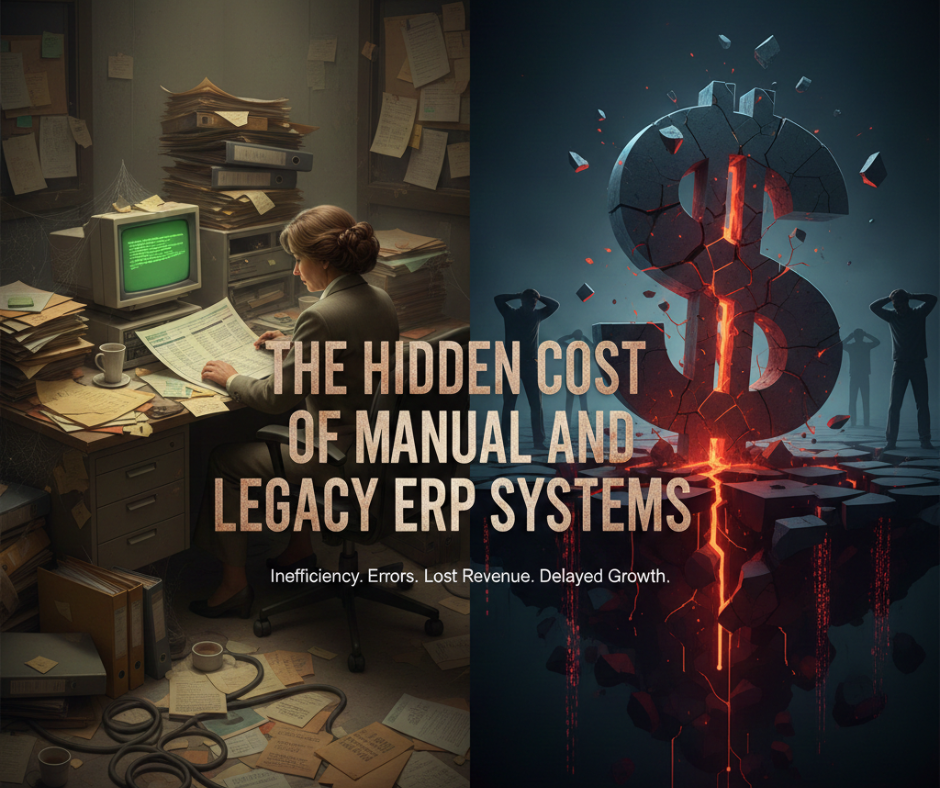
The Hidden Cost of Manual and Legacy ERP Systems
Many SMEs still rely on spreadsheets, disconnected software, or outdated ERP platforms. This leads to:
- Manual data entry and errors
- Delayed reporting
- Limited business visibility
- Higher operational costs
- Slow decision-making
These inefficiencies quietly drain profits and limit growth potential.
Automation: Immediate Cost Savings and Efficiency Gains
AI-native ERP systems automate repetitive and time-consuming tasks such as:
- Invoice processing
- Inventory updates
- Order management
- Payroll and accounting workflows
ROI Impact
- Reduced labor costs
- Fewer errors and rework
- Faster operational cycles
- More time for strategic work
Even small automation gains compound into significant long-term savings.
Real-Time Analytics for Smarter Business Decisions
One of the biggest advantages of AI-native ERP is real-time visibility. SMEs gain:
- Live dashboards across departments
- Predictive sales and demand forecasting
- Cash flow insights
- Performance tracking by product, customer, or location
ROI Impact
- Better forecasting accuracy
- Reduced inventory waste
- Faster response to market changes
- Improved profitability
Data-driven decisions replace guesswork.
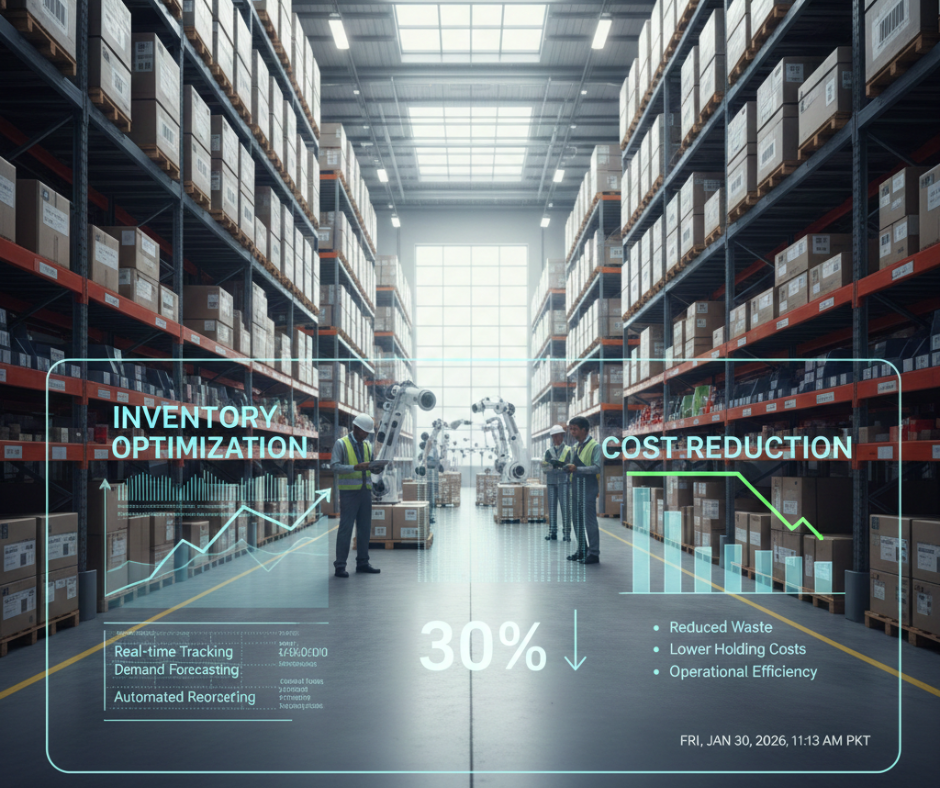
Inventory Optimization and Noticeable Cost Reduction
AI-driven inventory management helps SMEs:
- Predict demand accurately
- Avoid overstocking and stock-outs
- Automate reordering
- Reduce holding costs
ROI Impact
- Lower inventory carrying costs
- Improved cash flow
- Higher order fulfillment rates
For retail, manufacturing, and distribution SMEs, this alone can justify the investment.
Improved Customer Experience and Retention
AI-native ERP systems integrate seamlessly with CRM platforms to:
- Track customer behavior
- Automate follow-ups
- Enable personalized engagement
- Reduce service response times
ROI Impact
- Higher customer retention
- Increased repeat sales
- Stronger customer loyalty
Retaining customers costs far less than acquiring new ones.
Scalability Without Rising Complexity
Traditional ERP systems often struggle as SMEs grow. AI-native ERP platforms are designed to:
- Scale users, locations, and transactions easily
- Add new modules without disruption
- Support remote and hybrid teams
ROI Impact
- Lower long-term IT costs
- Faster expansion
- Reduced system replacement risk
Growth becomes manageable rather than chaotic.
Lower Total Cost of Ownership (TCO)
Cloud-based AI-native ERP systems eliminate many hidden costs:
- No on-premise hardware
- Reduced IT maintenance
- Automatic updates
- Subscription-based pricing
ROI Impact
- Predictable expenses
- Reduced upfront investment
- Faster payback period
SMEs gain enterprise-level capabilities at affordable costs.
Better Risk Management and Compliance
AI-driven ERP platforms enhance:
- Financial accuracy
- Fraud detection
- Compliance monitoring
- Audit readiness
ROI Impact
- Reduced financial risk
- Fewer compliance penalties
- Greater business stability
Risk reduction is a critical but often overlooked return.
Empowering Employees, Not Replacing Them
AI-native ERP systems free employees from repetitive tasks, allowing them to:
- Focus on decision-making
- Improve customer service
- Innovate processes
ROI Impact
- Higher productivity
- Improved job satisfaction
- Lower employee turnover
Human potential becomes a business advantage.
Measuring the Real ROI of AI-Native ERP
SMEs typically see ROI through:
- Cost reduction
- Revenue growth
- Time savings
- Better decision accuracy
- Improved customer retention
Many businesses recover their ERP investment within 12–24 months, depending on scale and industry.
Conclusion
For SMEs, investing in AI-native ERP is no longer a future consideration—it’s a strategic move with measurable returns. Automation reduces costs, analytics improve decisions, and scalability supports growth. The real ROI lies not just in savings, but in agility, insight, and long-term competitiveness.
In a rapidly changing business landscape, AI-native ERP gives SMEs the tools to compete like enterprises—without enterprise overhead.



Leave a Reply